
Winterizing Your Basement: Preventing Wood Rot Causes
As the winter season approaches, ensuring that your home is adequately prepared for the cold weather is crucial.
One area often overlooked is the basement, which can be susceptible to wood rot. Wood rot not only weakens the structural integrity of your home but can also lead to costly repairs.
This blog post will discuss practical strategies to winterize your basement and prevent wood rot.
Do you fear your home is already at the mercy of wood rot?
Contact one of our professionals at (248) 716-6166 or through our website, Cut ‘N Dry Waterproofing.
Check for Water Leaks

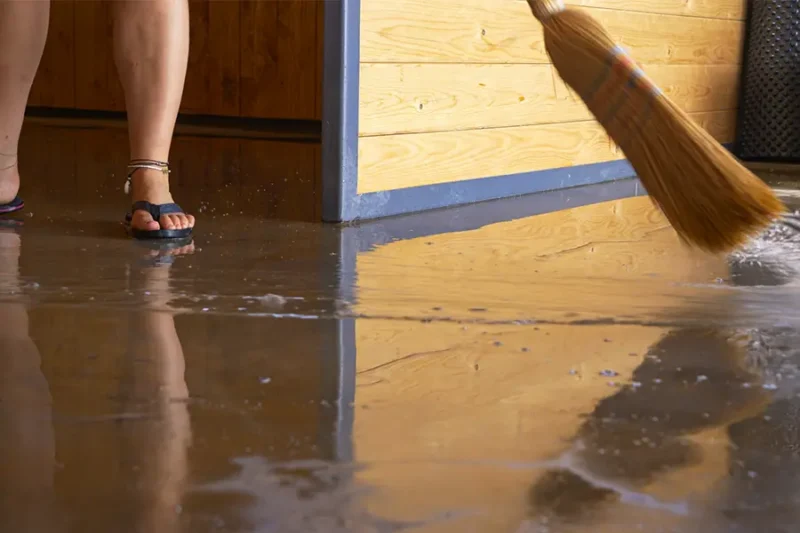
Water leaks are one of the primary culprits behind wood rot in basements.
Inspect the walls, floors, and ceilings for any signs of water intrusion. Look for damp spots, discoloration, or musty odors. If you detect any leaks, address them promptly by sealing cracks, repairing damaged pipes, or installing waterproofing systems.
Proper drainage around the foundation and gutters can also help prevent water from seeping into your basement.
Improve Ventilation
Proper ventilation is essential to maintain a dry and healthy basement environment. Ensure that your basement has sufficient airflow.
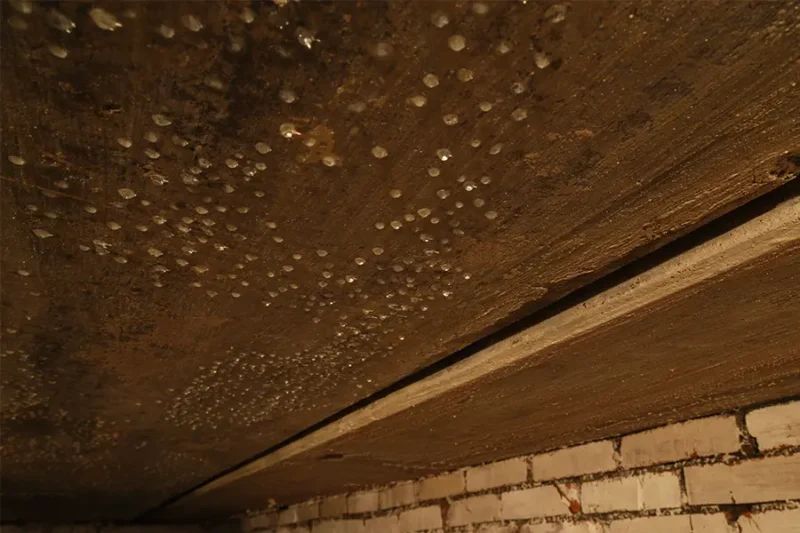
Additionally, consider installing a dehumidifier to regulate moisture levels in the air. This will help prevent excess condensation and reduce the chances of wood rot.
Insulate Pipes
Proper ventilation is essential to maintain a dry and healthy basement environment. Ensure that your basement has sufficient airflow.
Additionally, consider installing a dehumidifier to regulate moisture levels in the air. This will help prevent excess condensation and reduce the chances of wood rot.
Seal Windows and Doors
Cold drafts can not only make your basement unwelcoming but may also create conditions conducive to wood rot. Inspect the windows and doors for gaps or cracks that may allow cold air to seep in. Weather stripping and caulking can seal these openings, keeping your basement warm and dry.
Elevate Items from the Floor
Wood rot can occur when organic materials come into contact with damp surfaces.
Elevate stored items off the basement floor using pallets or shelves to prevent this. This allows air to circulate freely and minimizes the risk of moisture transfer.
Maintain Proper Humidity Levels
Controlling humidity levels in your basement is critical for preventing wood rot.
The ideal humidity range is between 30% and 50%. Use a hygrometer to monitor humidity levels regularly. If the humidity is too high, consider running a dehumidifier. On the other hand, if the air is too dry, utilize a humidifier to add moisture. Maintaining these optimal humidity levels helps keep the wood in your basement healthy and rot-free.
Conduct Regular Inspections
Regular inspections are vital to catch any signs of wood rot early on.
Take the time to examine wooden beams, supports, and other structural elements. Look for visible signs of decay, such as soft or crumbling wood, discolored patches, or an earthy odor.
If you discover any potential issues, consult a professional to assess the severity and recommend appropriate remedial actions.
Winterizing Your Basement Is Crucial

Winterizing your basement is crucial to prevent wood rot and ensure the longevity of your home. Following these preventive measures, you can protect your basement from water leaks, maintain proper ventilation, and control humidity levels.
Taking proactive steps to winterize your basement will save you from costly repairs and provide you with peace of mind during the cold winter months.
Remember, a well-maintained and protected basement sets the foundation for a healthy and robust home. Contact Cut ‘N Dry at (248) 716-6166 for more information!