
Crawlspace Remediation is now Cut 'N Dry Waterproofing

Test. Mitigate. Verify.

Radon is an invisible, odorless gas and the second leading cause of lung cancer in the US. The only way to know your radon level is to test. If your results are high, you should install a mitigation system that vents this gas outdoors, and then test again to verify the drop.

SERVING GREATER DETROIT MICHIGAN

RADON CONTROL

We Make Sick Houses Healthy

Established in 2007 and based in Waterford, our Radon Control team brings local experience and certified practices to every home.

Test. Mitigate. Verify.

Radon is an invisible, odorless gas and the second leading cause of lung cancer in the US. The only way to know your radon level is to test. If your results are high, you should install a mitigation system that vents this gas outdoors, and then test again to verify the drop.

SERVING GREATER DETROIT MICHIGAN

RADON CONTROL

We Make Sick Houses Healthy

Established in 2007 and based in Waterford, our Radon Control team brings local experience and certified practices to every home.

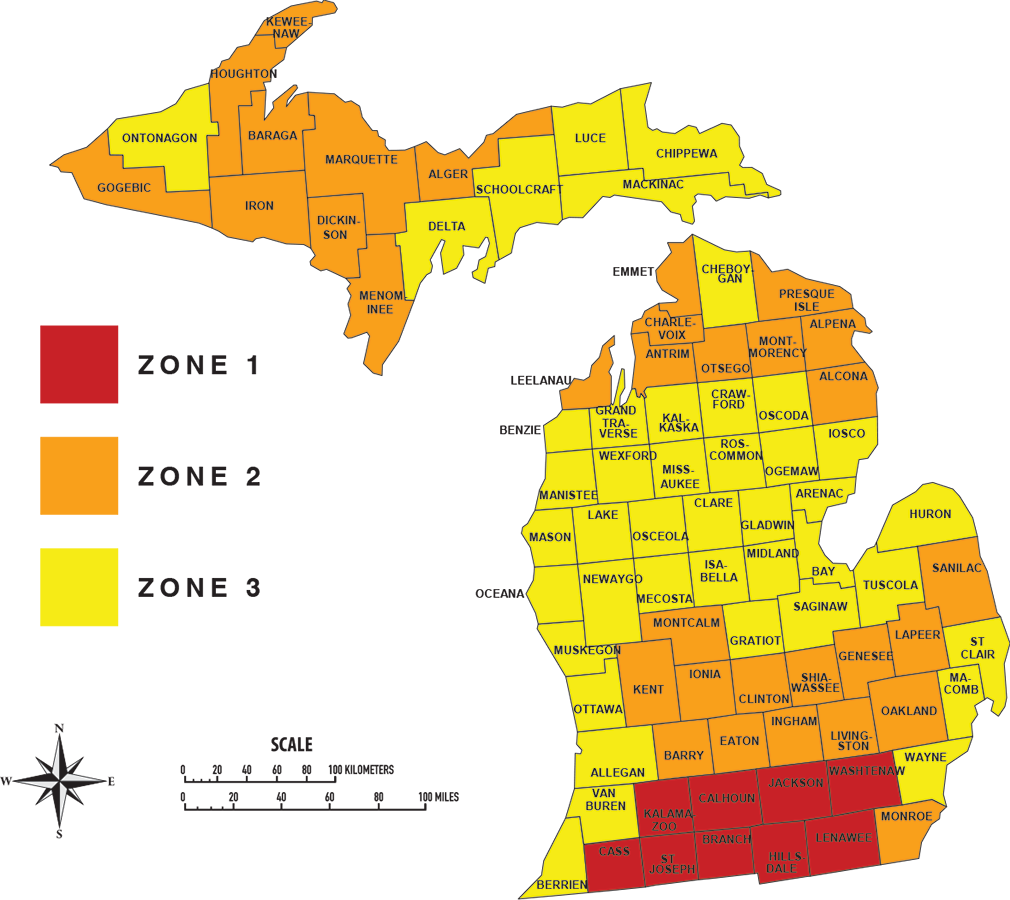
Michigan Radon Snapshot

Why Radon Control Matters in Michigan

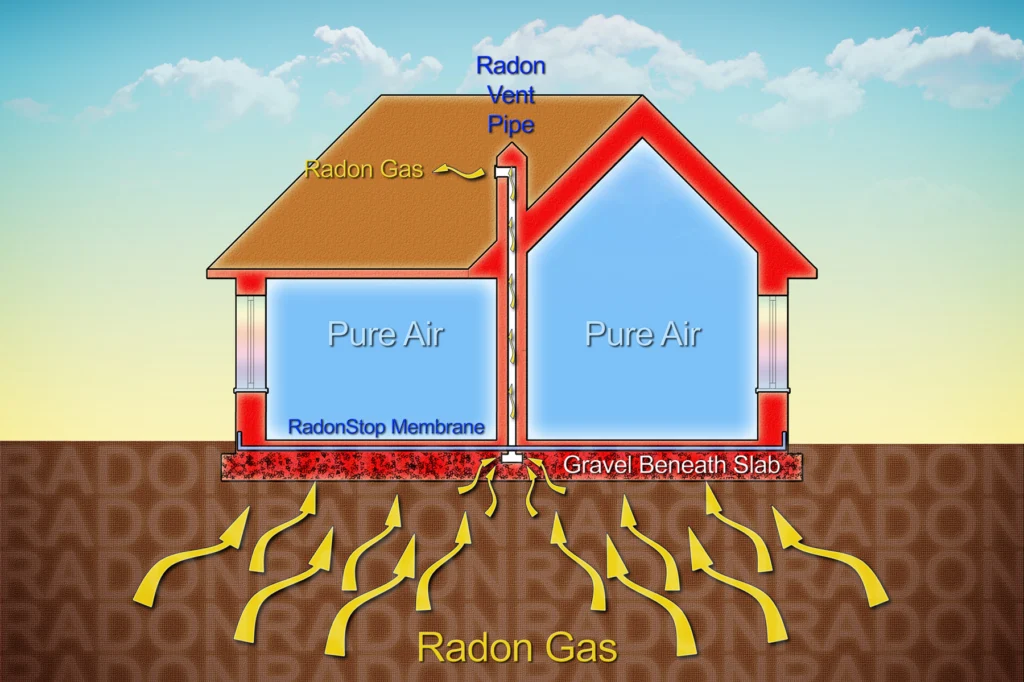
Radon originates from the natural decay of uranium found in soil and rock. It enters homes through slab cracks, the wall–floor (cove) joint, sump lids, utility penetrations, and crawlspace soil. Homes can trap radon inside, allowing levels to build up over time. Because Michigan soils and the winter stack effect can draw air from below grade, testing is the only way to determine your specific air infiltration rate.

What does “action level” mean?

The EPA recommends fixing your home if your radon level is 4.0 pCi/L or higher, and even between 2 and 4 pCi/L, since there is no known safe level. After mitigation, you should test again to confirm the reduction.


When to test (or re-test):

How Radon Enters
and How We Fix It

Radon comes up from the soil and gets into homes through small gaps. After it enters, air movement in the house can spread it to other rooms.

Common entry points

Our Fix: Soil Depressurization

The Gold Standard

Radon Testing: Simple, Clear, Actionable

Testing is the only way to know your radon level. Start with a test, finish with a plan. Your results drive clear, expert recommendations.

Pick Your Test

DIY Test (good first screen)

Professional Test: $140
(best for decisions and documentation)

Reading Your Result (pCi/L)

Under 2.0

Low reading. Save the report and re-test every ~2 years (and after major home remodels or changes).

2.0–3.9

Elevated compared to the background. Consider mitigation; at minimum, re-test (or run a longer-term test).

4.0 or Above (EPA “action level”)

Mitigation recommended. We’ll design a right-sized system and schedule a post-test to verify the drop.

Ready to get a real number? Schedule a Radon Test, and if the results are elevated, we’ll lower the levels and prove it with a post-test.

Radon Mitigation: What We Install

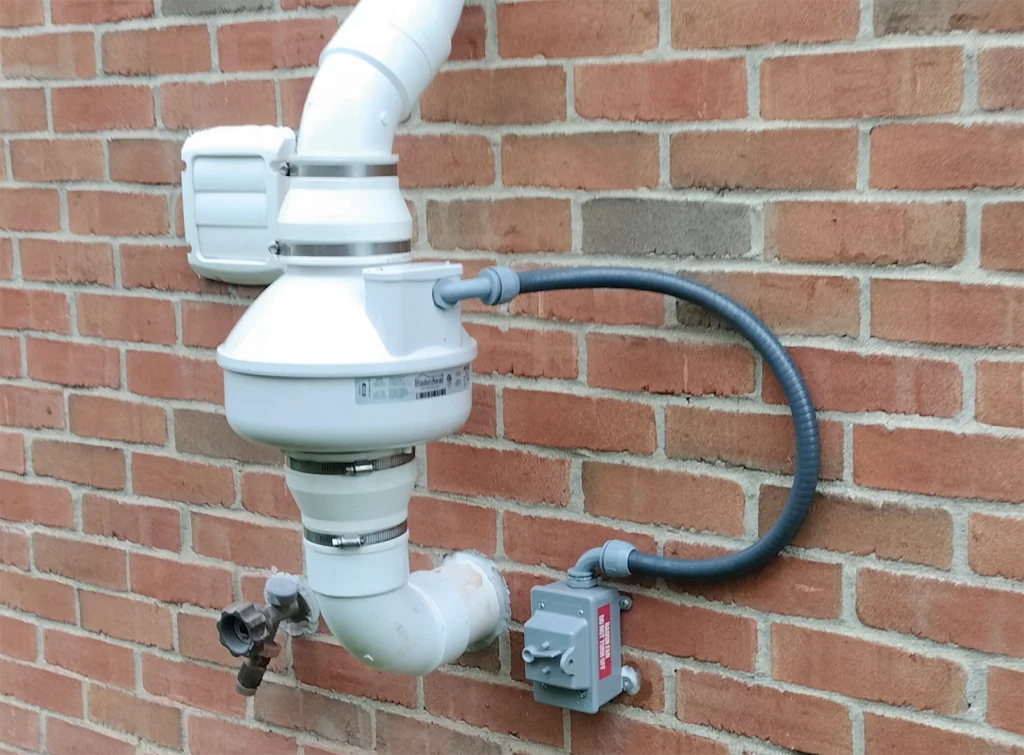
We make radon measurable and fixable using clean, quiet, foundation-specific systems that draw from under the slab or liner, vent above the roofline, and are verified by a post-test.

Customer Reviews

What Michigan Homeowners Are Saying

Real projects. Real outcomes. Here are just a few examples of what neighbors say about the Cut ‘N Dry family of home services (Basement, Crawlspace, Drainage, Foundation, Air Quality, Mold, and Radon Control).

Erin S
Erin S
We had our Radon fan replaced and an alarm installed. Jaiden and Josh worked quickly and with a friendly, professional attitude. Because we are so happy with their work, we look forward to working with the company for other projects, like our sump pump system.
Carol Pinkos
Carol Pinkos
Recently I had CR install a radon mitagtion system. Jaden, Josh and Sam did a great job! They were very respectful and explained the installed system as well as reminding me of their customer service.
Andy Wilson
Andy Wilson
I had to have a Radon fan replaced. It was a great experience from first contact through completion. As a small business owner myself, I value good communication and quality work. Crawlspace Remediation provided both. Joe was our tech and he did a fantastic job! Highly recommended!
Roxanne Hakala
Roxanne Hakala
I was totally impressed with the professionalism, quality and pricing of this companies work. Employees were very hard working and kept us inform of everything that they were doing. Sal, Christian, Parks, Nic, and Gage (sorry if I spelled names incorrectly) .Breanne in the front office was very helpful on keeping us inform of times and answered many questions we had regarding the job and cost. Company left property clean as it was when they got there. My crawlspace used to have a terrible moldy smell and the house humidity was very high. Since they finished the job I don't smell anything and the humanity is back to normal levels through the house. I would recommend this company to everyone!! We are completely satisfied!
Note: Some reviews mention our former names, Crawlspace Remediation and Radon Control Services. Both are now part of the Cut ‘N Dry Waterproofing family of services.

Frequently Asked Questions

Radon can feel complicated; these are the answers to the questions Michigan homeowners ask the most.

Yes. Radon is the second leading cause of lung cancer in the US. Testing and mitigation significantly reduce the risk.


Elevated radon levels have been found in all 83 Michigan counties. About 1 in 4 Michigan homes test at or above the federal action level. The only way to determine your level is to test.

No. Slab-on-grade and crawlspace homes can also test high. Any foundation type can have elevated radon.

Under 2.0 pCi/L: Low. Save the report; re-test periodically.


2.0–3.9 pCi/L: Elevated vs. background. Consider mitigation; at a minimum, re-test or run a longer-term test.


Over 4.0 pCi/L (EPA action level): Mitigation is recommended; install a system and verify the drop with a post-mitigation test.

Plan to re-test every few years. You should also test again after big changes like renovations, HVAC or foundation work, finishing a basement, or after installing a mitigation system to make sure it’s working well.

Yes, levels can change. In winter, readings are often higher because homes stay closed up and air moves differently inside. This is normal and another good reason to test regularly.

Most homes use sub-slab depressurization (SSD) for basements or slabs, or sub-membrane depressurization (SMD) for crawlspaces with a sealed vapor liner. If there’s a sump, we add a sealed lid that works with radon systems. We run PVC piping neatly, install a quiet fan outside, and vent above the roofline. After installation, we test again to make sure radon levels have dropped.

We use a quiet fan outside and plan the piping for a tidy, low-profile appearance. Inside, you’ll see a small gauge that shows suction. We can also add an alarm if needed.

Since mitigation involves suction, sealing pathways, and following building codes, it’s best to have a qualified professional handle it. We’ll ensure your system is the right size and functions as expected.

Still unsure about radon or what your number means?

Ready to Know Your Number?

And Lower it If Needed?

Start with a simple test. If levels are high, we’ll install a quiet, effective system and verify the drop with a post-mitigation test.

Scroll to Top
Skip to content