

About Crawlspaces
What Lies Beneath Matters
A crawlspace is the narrow, unfinished space between your home’s ground floor and the earth underneath, usually only 18–24 inches high, that allows access to plumbing, wiring, and HVAC systems. In Michigan’s humid climate, traditional vented design frequently draws damp air inside, where it condenses on cold surfaces and drives mold growth. Because it’s out of sight, it can easily become a haven for moisture, mold, pests, and wood rot. Left unchecked, these hidden issues can spread upward, compromising your floors, air quality, and the structural integrity of your home.
Because of these conditions, crawlspaces are especially prone to chronic dampness and water intrusion. Understanding the most common causes is the first step toward protecting your home.
Anatomy of a crawlspace
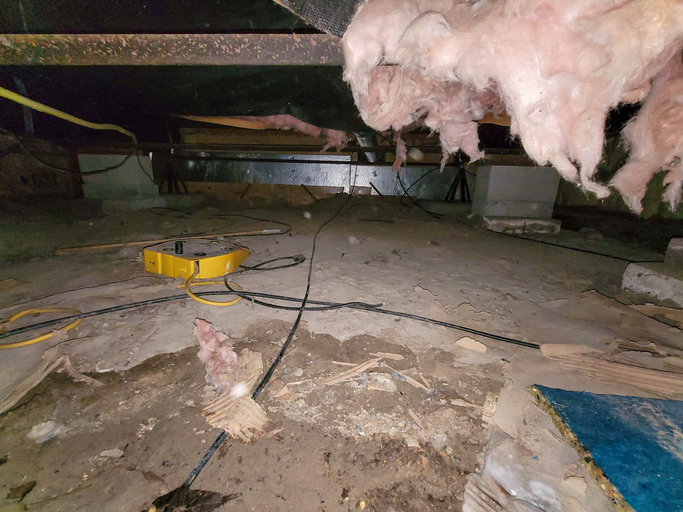
A crawlspace may only be 18–24 inches tall, but it plays a big role in your home’s health. Here’s what you’ll typically find:
- Bare Soil or Concrete Floor: Exposed ground allows ground moisture to evaporate directly into the space unless it's sealed.
- Foundation Walls: Concrete or block walls hold back soil and water pressure, but small cracks often let water seep in.
- Joists & Beams: These wooden supports hold up your first floor, and are highly vulnerable to rot if the crawlspace is damp.
- Vents & Access Doors: Many older homes have vented crawlspaces, which draw humid summer air inside, often making problems worse.
- Utilities: Plumbing, ductwork, and electrical wiring often run through the crawlspace, where leaks or condensation can add more moisture.
- Moisture Protection Systems (Upgrades): Encapsulation, sump pumps, drainage systems, and dehumidifiers transform a damp crawlspace into a clean, dry, protected space.

Why Crawlspaces Get Wet
Crawlspaces sit just above the soil, so they’re highly prone to moisture problems. Even if you don’t see standing water, persistent humidity can seep in and cause damage over time. Left unchecked, that hidden dampness can spread odors, attract pests, and weaken the structure of your home.
One Michigan homeowner described what happened when a collapsed pipe caused severe water backup in his crawlspace:
“I am a first time home buyer and … had back up from the sewer line into the crawlspace due to a collapsed pipe. … The two techs, Brendan and James, just did a phenomenal job on my crawlspace and I can’t be any happier. … I am so happy how this came out and cannot recommend this place anymore than I have to anyone in need for crawlspace needs.”
~ Rob Jerominek, Google Review
Common causes of crawlspace moisture include:
- Groundwater vapor rising through bare soil
- Poor exterior drainage or grading around the home
- Cracks in foundation walls that let water seep in
- Open vents drawing in Michigan's humid summer air
- Plumbing leaks or condensation on pipes and ducts
Noticing dampness or musty odors in your home?
Why It Matters
Moisture in crawlspaces never stays contained. It spreads upward, changing the air you breathe, the way your floors feel, and even how much you spend on energy bills. What starts beneath your home can quickly become problems you notice every day.
Here’s what unchecked crawlspace moisture can lead to:
- Musty odors and visible mold growth
- Pests like termites, ants, and rodents
- Wood rot, sagging floors, and structural weakening
- Humidity and mold spores circulating through your living space
- Higher heating and cooling bills as damp air rises
Experts estimate that up to 50% of the air you breathe upstairs comes directly from the crawlspace. If that air carries mold spores, allergens, or odors, your family feels the effects in every room.
Concerned about your home’s structure?
Crawlspace Warning Signs
Your crawlspace may be out of sight, but the warning signs aren’t. If you notice any of these, it’s time to take a closer look:
- Musty or damp odors that linger in your home
- Cold or uneven floors above the crawlspace
- Visible mold growth or mildew in corners
- Condensation on ducts, pipes, or insulation
- Wood rot or sagging beams
- Pest activity, such as termites, ants, or rodents
- Standing water or damp soil under the house
Even one of these symptoms can point to underlying issues below. Early action not only prevents further damage; it also makes your home safer, healthier, and more comfortable.
Wondering what’s happening beneath your home?

Did You Know?
- The EPA reports that indoor air can be 2–5 times more polluted than outdoor air, and damp crawlspaces are a major source.
- The Mayo Clinic links mold exposure to respiratory issues, allergies, and sinus problems, and crawlspaces provide the perfect breeding ground.
- Research shows that sealing and conditioning a crawlspace can reduce household energy bills by up to 20%.

Explore Crawlspace Solutions
At Crawlspace Remediation by Cut ‘N Dry Waterproofing, we don’t offer one-size-fits-all fixes. Every crawlspace is different, which is why we design solutions that target moisture control, air quality, and structural stability.
Learn more about our services:
By exploring these solutions, you’ll see how we protect your crawlspace now and help you prevent bigger issues later.
Frequently Asked Questions
Have questions about your crawlspace? You’re not alone. We want to make things easy to understand. Here are some of the most common concerns we hear from Michigan homeowners.
Do all homes have crawlspaces?
No. Crawlspaces are more common in certain regions, including Michigan, where they are used instead of full basements.
Can crawlspace problems affect my whole house?
Yes. Issues like mold, odors, or sagging joists don’t stay below; they can affect your floors, air quality, and even energy bills.
What's the difference between a crawlspace and a basement?
A basement is a full-height, usable space, while a crawlspace is typically only 18–24 inches high and unfinished. Both require moisture protection to stay healthy.
How do I know if my crawlspace has a moisture problem?
Warning signs include musty odors, mold growth, condensation on pipes, uneven floors, or visible water pooling. Even if you don’t see standing water, high humidity alone can cause long-term damage.
What's the difference between crawlspace encapsulation and a vapor barrier?
A basic vapor barrier only covers the ground to limit moisture. Encapsulation goes further by sealing walls, vents, and penetrations, then adding dehumidification for complete protection.
Will fixing my crawlspace improve air quality in the rest of my home?
Yes. Up to 50% of the air you breathe upstairs comes from the crawlspace. Eliminating moisture and sealing the space reduces mold spores, allergens, and musty odors.
How long does crawlspace encapsulation last?
With proper installation and materials, encapsulation can last 15–20 years or more. Annual inspections and maintenance help ensure long-term performance.
Is crawlspace remediation disruptive?
Most projects take just a few days. Our crews work efficiently and cleanly, keeping disruption to your household to a minimum.
Didn't see your question listed? Our team is always happy to help.
Ready to Protect Your Crawlspace?
Don’t wait until odors, pests, or wood rot spread into the rest of your home. Schedule your free, no-pressure, no-obligation inspection today and see how we can help.