Spring Mold Prevention: What to Do Before Humidity Arrives
After a long Michigan winter, most homeowners welcome warmer weather and look forward to spring cleaning. Before humidity and rain return, check your basement or crawlspace for signs of moisture.
Mold doesn’t usually show up all at once. It often starts with leftover winter moisture, small foundation leaks, poor drainage, or excess humidity in the lower parts of your home. By the time you notice a musty smell or see stains, the problem could already be spreading.
The good news? Spring is a great time to prevent mold before it starts.
Look for the Early Signs of Moisture
Missing the early signs of a mold problem can quickly lead to expensive fixes later. Don’t overlook early warnings.
As the weather warms up, watch for these signs:
- Musty odors coming from the basement or crawlspace
- Damp spots on basement walls or floors
- Condensation on pipes, windows, or foundation walls
- Peeling paint or bubbling drywall
- Areas that feel more humid than the rest of the house
Even if you don’t see mold, these signs mean there’s already moisture present.
A lot of people notice a “smelly basement” each spring and think it’s normal after winter. But musty odors are often an early sign that moisture is building up and mold could be next.
Winter Moisture Can Create Spring Problems
Winter might feel dry, but snow, freeze-thaw cycles, and indoor humidity can leave your home with excessive moisture.
During winter, water may enter through:
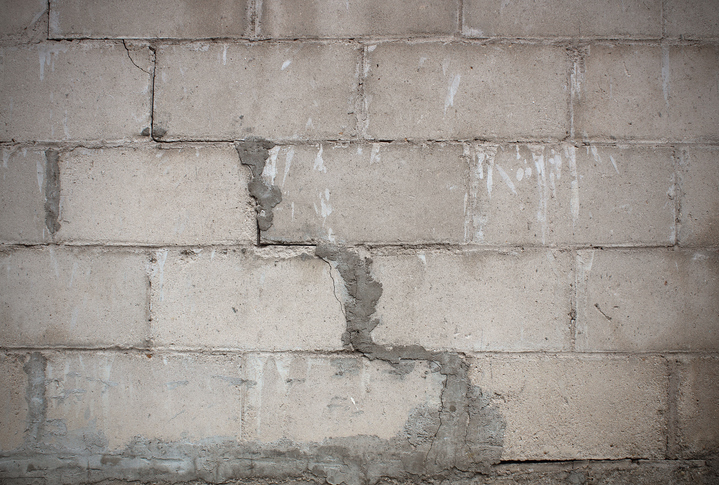
- Small foundation cracks
- Basement wall seepage
- Poor drainage around the home
- A damp or unsealed crawlspace
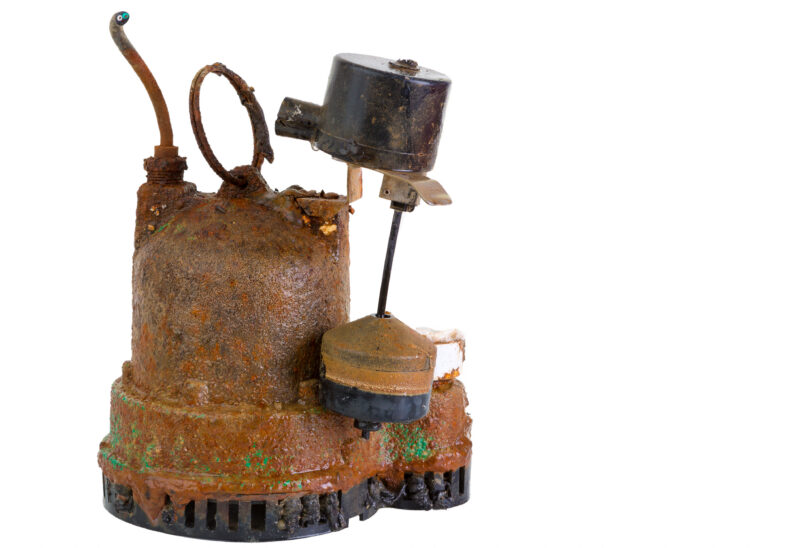
- A sump pump or drainage system that struggled during snowmelt
By spring, hidden moisture mixes with warmer temperatures and higher humidity. This creates the perfect conditions for mold growth.
Homes with a damp crawlspace or unfinished basement are especially at risk. Wet wood, insulation, cardboard boxes, and carpets can all help mold spread.
If you’ve noticed moisture or musty smells after winter, now is the best time to fix them before warmer weather makes things worse.
Inspect Your Basement and Crawlspace Before Spring Rain Arrives
A quick inspection now can help you catch small problems before they turn into expensive repairs later.
Walk through your basement and crawlspace and look for:
- New cracks in basement walls or floors
- Water stains or discoloration
- Damp insulation or warped wood
- Mold or mildew around vents, ductwork, or storage items
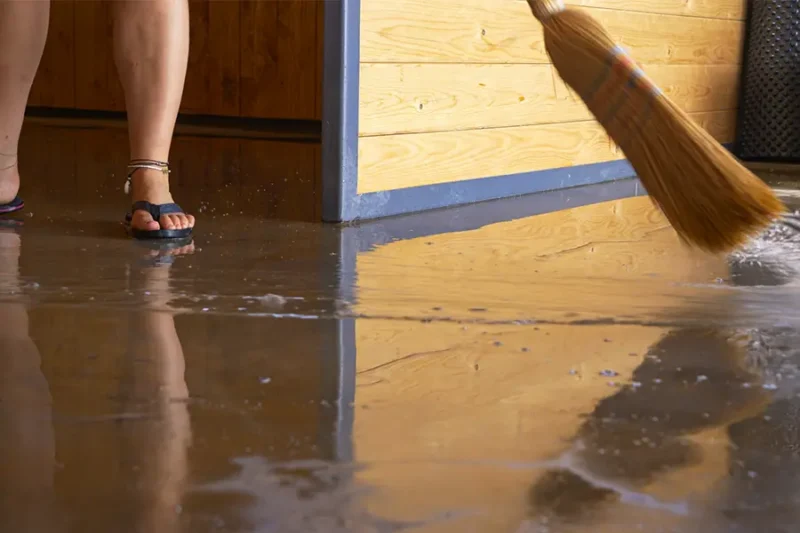
- Standing water or signs of past water entering
Pay close attention to foundation cracks. Even small ones can let water in during spring rain and eventually cause a wet basement or mold issues.
If you see any signs of water seeping in, consider looking into foundation waterproofing before the rainy season starts.
Control Humidity Before It Becomes a Mold Problem
Moisture by itself doesn’t always cause mold. The real problem happens when moisture mixes with warm, humid air.
One of the best ways to prevent mold is to keep humidity under control before spring and summer arrive.
You Can Help Reduce Moisture by:
- Running a dehumidifier in the basement
- Improving air circulation
- Repairing foundation leaks promptly
- Making sure downspouts and gutters direct water away from the house
- Sealing crawlspaces and basement walls
If your home has a crawlspace, spring is a good time to think about crawlspace encapsulation. Sealing the crawlspace helps keep moisture, humidity, and musty smells out of your home. Cut ‘N Dry offers waterproofing solutions to help protect your home all year long.
Take Care of Small Water Problems Before They Become Bigger Repairs
One of the biggest mistakes homeowners make is waiting to act until they see visible mold.
Small leaks, minor seepage, or occasional dampness might not seem serious now, but when spring rain and humidity arrive, these problems can quickly get worse.
Moisture problems can lead to:
- Mold growth
- Damaged drywall and flooring
- Wood rot and structural damage
- Poor indoor air quality
- Expensive wet basement repair
The sooner you fix the source of moisture, the easier and less expensive it usually is.
If your basement or crawlspace keeps getting damp, it might be time for a full waterproofing solution. Find out more about basement waterproofing in Michigan and how it can help keep your home dry this spring.
Know When It's Time to Call a Professional
Some moisture problems are easy to see. Others hide behind walls, under floors, or in crawlspaces until the damage gets much worse.
You should consider a professional inspection if you notice:
- Persistent musty odors
- Visible mold or mildew
- Recurring dampness after rain
- Signs of water entering through foundation walls
- Family members experiencing more allergy or respiratory symptoms indoors
At Cut ‘N Dry Waterproofing of Michigan, we help homeowners find the cause of moisture problems and recommend the right solution, whether that’s waterproofing, drainage improvements, crawlspace encapsulation, or mold prevention.
As part of the larger Cut ‘N Dry Waterproofing family, we take a whole-home approach to keeping your basement, crawlspace, and foundation dry and healthy.
Stop Mold Before Spring Humidity Arrives
The best time to handle mold is before it ever starts.
Checking your basement and crawlspace now, keeping humidity under control, and fixing small water problems early can help prevent mold, musty smells, and costly repairs later in the season.
Call Cut ‘N Dry Waterproofing of Michigan at (248) 716-6166 or schedule your inspection online to keep your home dry, healthy, and mold-free this spring.