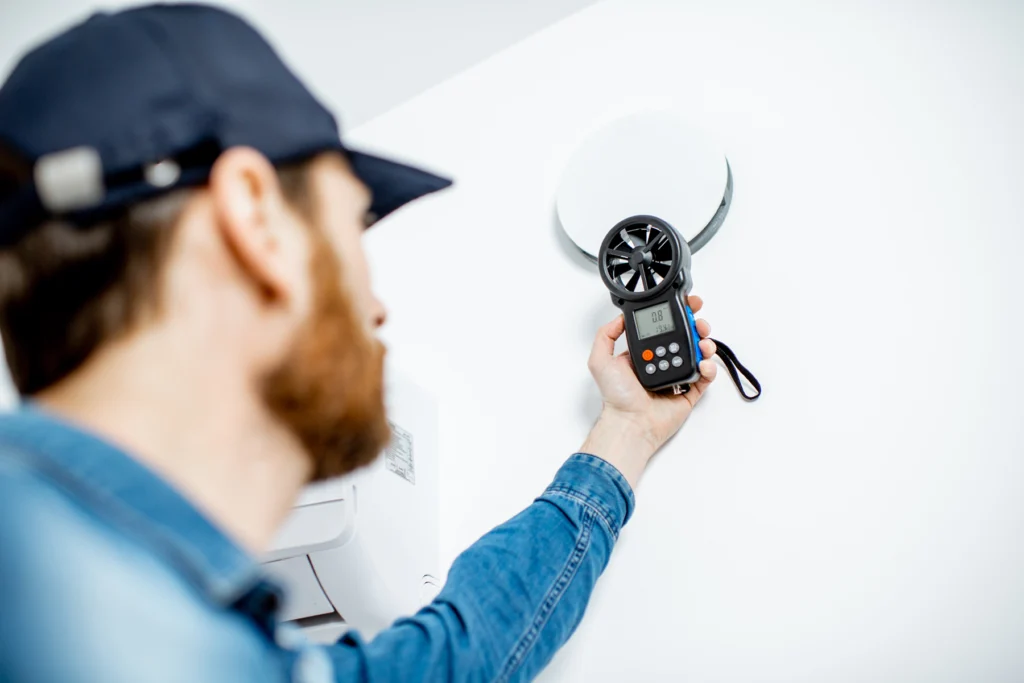

Air Quality Testing
Measure what matters. Then fix the cause.
If a room has a musty smell, feels stuffy, or causes any symptoms, we start by thoroughly checking for moisture and ventilation issues. We only include lab testing when it could influence our decisions or provide necessary documentation. There are no scare tactics or unnecessary tests involved. Samples are sent to an accredited third-party lab (IMS Laboratory), and you will receive a clear summary in plain English, along with straightforward next steps to follow.
Lab-verified results · Education-first · No scare tactics
When Testing Makes Sense
(and When It Doesn’t)
Great Reasons to Test
- You need documentation (real estate, physician/HOA/employer requests) with a third-party lab report and a plain-English summary.
- If you have unexplained symptoms, no clear moisture source, or no visible growth, targeted air or surface samples can help confirm what is present and where it is coming from.
- Verification after remediation or to establish a baseline before/after moisture fixes.
- If someone at home is more sensitive, such as infants or those with allergies or asthma, extra data from testing can help set priorities.
Skip Testing (Fix First) When
- You see visible growth along with active leaks or seepage, or if the relative humidity is regularly above 55-60%.
- The crawlspace or basement is clearly wet, and it is obvious that drainage, encapsulation, or a sump pump is needed.
In these cases, we’ll guide you to fix the source first:
We won’t upsell tests you don’t need – education comes first, always. If testing is appropriate, samples are sent to an accredited third-party lab (IMS Laboratory), and you’ll receive clear next steps.
Pricing
Indoor Air Quality Testing starts at $300, which includes three indoor air samples plus one outdoor baseline sample for comparison.
- Each additional sample is $80
- Individual surface (swab) tests are $80 per sample
You’ll always get a clear estimate before we collect anything. No surprises, no upsells.
What We Test and Why
Targeted Tests. Practical Answers.
Moisture mapping (surfaces & materials)
Finds damp zones feeding odors or growth.
Relative humidity/temperature checks
(spot or short logging)
Relative humidity above 55-60% invites mold; we capture baselines and identify problem rooms.
Air samples (spore-traps)
Confirm and identify airborne mold types/levels when there’s no visible source or a sensitive occupant.
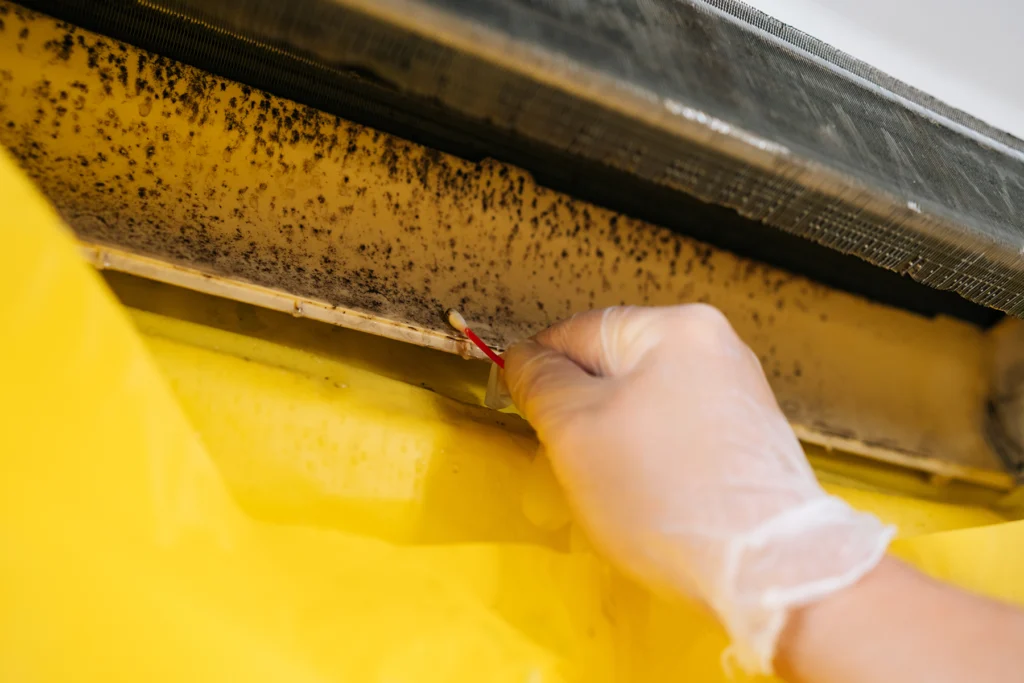
Surface samples (tape lift/swab)
Verifies if a stain is mold and helps prioritize cleanup.
Airflow & Pathways Review
Identifies how basement and crawlspace air mixes with living areas (stack effect, leaky returns, open sumps).
Warm air rises and pulls make-up air from below grade, so what’s below ends up above.
What Happens During Your Air Check
Here’s what to expect, step by step, during your air check visit.
Listen & Survey:
We ask about history (leaks, storms, smells), when and where symptoms happen, and your priorities.
Measure:
We map moisture, check RH/temperature, and look at basements, crawlspaces, attic, and HVAC pathways.
Targeted Sampling (When Useful):
We collect air or surface samples only if the results will change the plan or provide documentation.
Findings & Options:
We provide a same-day verbal recap with photos and notes, along with a summary that includes lab results, within 1 to 3 business days.
Results & Next Steps:
You’ll get same-day moisture and humidity readings, along with a clear summary. If we take samples, you’ll receive a third-party lab report from IMS Laboratory and a brief written summary within 1 to 3 business days. We’ll also include a list of recommended fixes and a no-pressure estimate if any work is needed.
After Your Results: What Happens Next
Turn measurements into a plan
Start by fixing the main issues first. Block water and vapor from getting in, then manage humidity.
Clean up where needed. Remove any contaminated items and use HEPA cleaning on what can be salvaged.
Improve the air. Adjust your ventilation and filtration, and add a dehumidifier that fits your space. After addressing moisture issues and cleaning, consider CIMR for ongoing air quality monitoring.
Check your progress. Recheck the humidity and aim for a range of 45–55%. Pay attention to any odors or symptoms, and repeat any needed targeted sampling.
Frequently Asked Questions
Here are some of the most common questions we get about air quality testing, along with clear answers.
Do I always need testing?
Will testing tell me exactly which rooms to fix?
How much does IAQ testing cost?
Indoor Air Quality Testing starts at $300, which includes three air samples and one outdoor baseline sample for comparison. Each additional air sample is $80, and individual surface (swab) tests are $80 each. We always confirm the plan and total before we collect anything, so there are no surprises.
Is it safe to sample while we're home?
Yes. The collection process is quick and contained, so you can stay home during inspection and testing.
How long until I get results?
Most lab results are typically available within one to three business days, and we would be happy to explain them to you.
Is CIMR a substitute for addressing moisture issues?
No. CIMR is an optional add-on technology after moisture control and cleanup. It helps reduce airborne spores and odors in living areas.
What kinds of samples do you take?
Air samples (spore traps) confirm the types and levels of airborne mold, especially when there’s no visible source or someone in the home is sensitive. Surface samples, like tape lift or swab tests, help determine if a strain is mold and decide how to prioritize cleanup.
What happens with my samples; who analyzes them, and how long does it take?
IMS Laboratory, an accredited third-party lab, analyzes the samples. Most results are available within 1 to 3 business days, and we provide a summary.
How much does IAQ testing cost?
Pricing is based on the number of samples. We’ll explain the sample plan and total cost before we collect anything, so there are no surprise add-ons.
Have any other questions? Let us know!
From Musty & Damp to Clean, Dry, and Easier Breathing
After rain, the crawlspace would have an earthy smell, and the air upstairs felt heavy. During our inspection, we identified moisture pathways and high humidity levels. We resolved the issue by installing drainage, sealing the ground with a vapor barrier, and treating the active mold. Afterward, we checked to make sure everything had improved. Now, the space is dry, the air is fresher, and the home is protected from future issues.
“My husband and I needed some serious work done to our crawlspace… mold, leaks… They removed debris, added vapor barriers, added drainage, and treated mold… Their work and pricing is honest… We highly recommend Crawlspace Remediation*!”
~ Lynn, Google Review
Want more proof? Scroll through the carousel to see real results that Michigan homeowners have noticed, like reduced mustiness, clearer air, and more stable humidity after storms.
*Some Customer Stories mention our former names, Crawlspace Remediation and Radon Control Services. Both are now part of the Cut ’N Dry Waterproofing family of services.
Customer Reviews
Real homes. Noticeably fresher air.
Trusted locally since 2011. Here are real stories from nearby homeowners who started with an air quality check and now breathe easier.
Note: Some reviews mention our former names, Crawlspace Remediation and Radon Control Services. Both are now part of the Cut ’N Dry Waterproofing family of services.
Want to know more?
Measure What Matters
Breathe easier, faster.
Cut ‘N Dry Waterproofing pinpoints the cause, prioritizes fixes, and confirms results, so comfort isn’t a mystery.