

About Foundations
The Strength of Your Home Starts Below
Your foundation is the base of everything; it holds the weight of your home, keeps floors level, and resists the pressure from soil and water around it. At Foundation Control by Cut ‘N Dry Waterproofing, we’ve been serving Michigan homeowners since 2011, building a reputation for honest assessments and no-pressure, no-obligation inspections. Our mission is to help families understand what’s happening beneath their homes and protect them for the long term.
What Is a Foundation?
A foundation is the load-bearing base of your home, typically built from poured concrete or concrete block. Its job is to:
- Spread the weight of the home evenly into the soil
- Keep walls and floors stable and secure
- Resist movement from shifting or expanding soil
- Provide a barrier against moisture and groundwater
When a foundation performs as designed, you rarely notice it. But when it begins to fail, the effects show up everywhere in your home.
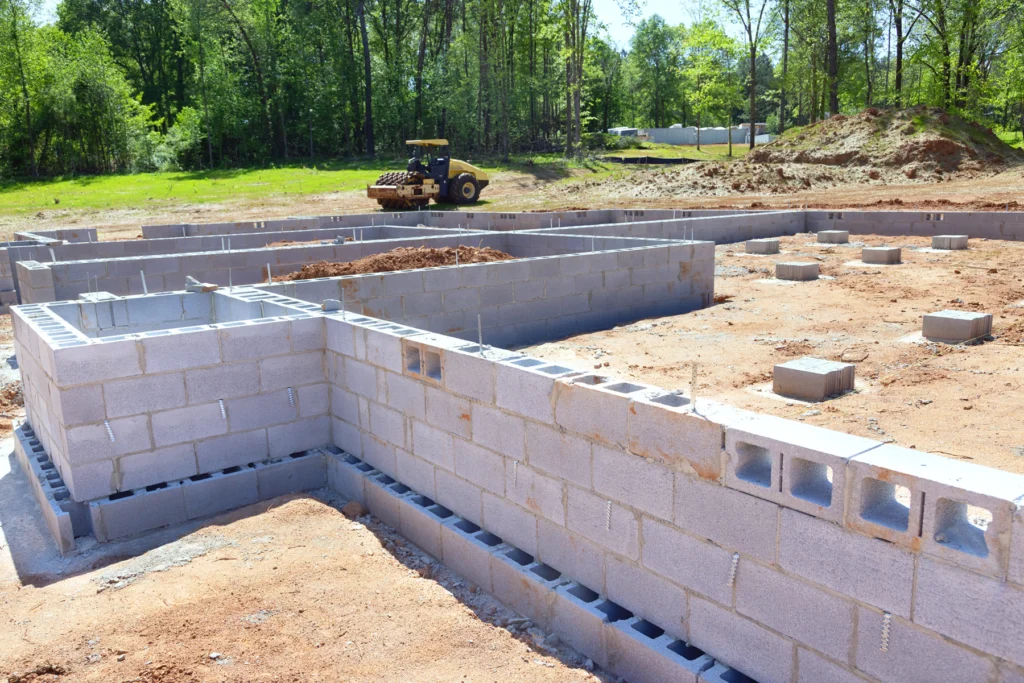
Anatomy of a Foundation
A foundation acts like the backbone of your home; if one part weakens, the whole structure can feel it. Every foundation is made up of key components that work together to support your home. Knowing what they are and where problems often occur helps you understand how to protect your investment.
Key Foundation Components
- Footings – The base layer that distributes your home's weight into the soil. Common problems: settling, cracking, or shifting in poor soils.
- Foundation Walls – The vertical walls that hold up your home. Common problems: bowing, cracking, or water seepage.
- Sill Plate – The wooden beam where your home's framing meets the foundation. Common problems: rot or pest damage when exposed to moisture.
- Beams & Joists – Interior supports that transfer the load of floors and walls. Common problems: sagging when the foundation shifts or wood absorbs moisture.
- Basement Floor/Crawlspace Soil – The ground or slab inside the foundation. Common problems: water intrusion, soil heaving, or settlement cracks.

Stabilizing Foundation Walls
Stabilizing Foundation Walls
When Larry noticed issues with his foundation walls, he knew it was time to call in the experts. Our team inspected the damage, installed a new drain tile system to control groundwater, and reinforced the foundation walls to restore stability.
“The crew did a great job installing drain tile and stabilizing our foundation walls. Professional, efficient, and very thorough.”
~ Larry B., Google Review
Now Larry has peace of mind knowing his foundation is secure, and his home is protected against future water damage.
Note: Some Customer Stories mention our former names, Crawlspace Remediation and Radon Control Services. Both are now part of the Cut ’N Dry Waterproofing family of services.

Why Foundations Fail
Even the strongest concrete foundations can weaken over time, especially in Michigan’s challenging climate. Some of the most common causes include:
Expansive Soils
Poor Drainage
Freeze-Thaw Cycles
Hydrostatic Pressure
Construction Issues
Even the strongest foundations can develop problems under these conditions. The good news?
When caught early, these issues can be repaired quickly and affordably, before they turn into major structural damage. That’s why it’s important to recognize the warning signs in your own home.
Did You Know?
- The American Society of Civil Engineers reports that 1 in 4 U.S. homes will experience structural distress, often tied to foundation movement.
- Foundations built on expansive soils cause more annual property damage than floods, tornadoes, and hurricanes combined.
- Michigan’s freeze-thaw cycles are one of the leading causes of foundation cracking and wall movement.
Don’t wait until it’s too late.
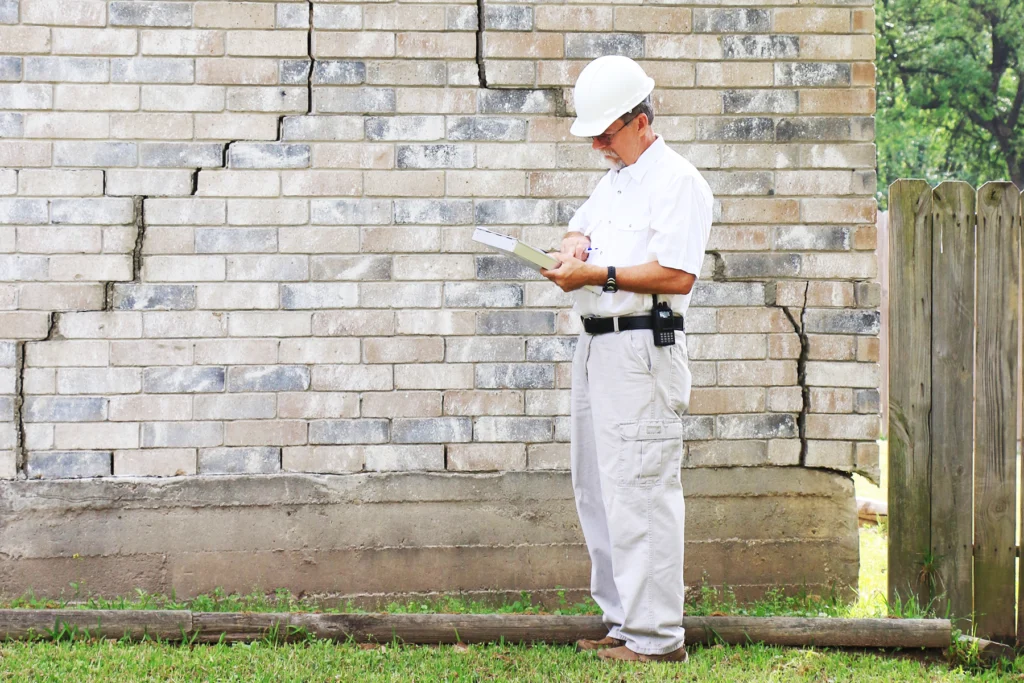
Signs of Foundation Problems
Foundation issues often start small, but they show up in ways most homeowners can spot. If you’ve noticed any of these symptoms, your foundation may be trying to tell you something:
Cracks in walls, floors, or exterior brickwork
Bowing or leaning basement walls
Doors and windows that stick
Uneven or sagging floors
Gaps around trim, baseboards, or ceilings
Water seepage or damp spots on walls
White, powdery residue (efflorescence)
It’s important not to overlook these warning signs.
Addressing minor issues early can help prevent more significant problems in the future.
Benefits of Knowing Your Foundation
Understanding how your foundation works and the risks it faces gives you a significant advantage as a homeowner. Here’s what you gain when you pay attention to this critical part of your home:
Spot Warning Signs Early
Catch small cracks, gaps, or leaks before they turn into expensive repairs.
Keep your family safe and comfortable
Straight walls, level floors, and dry basements all start with a healthy foundation.
Protect your investment
A strong, stable foundation helps maintain your home's value and avoids issues during resale inspections.
Save money in the long run
Preventive care and early repairs cost far less than major structural fixes.
Peace of mind
Knowing your foundation is secure means one less thing to worry about as a homeowner.
Taking the time to understand your foundation helps you make smarter decisions about waterproofing, repairs, and long-term protection.
Explore Foundation Solutions
Foundation Waterproofing
Foundation Repair & Reinforcement
Drainage Improvements
Frequently Asked Questions
Homeowners often have questions when they first notice cracks, leaks, or uneven floors. Here are answers to some of the most common concerns about foundations in Michigan homes.
Are small cracks normal?
Yes. Hairline cracks can occur as concrete cures. But if cracks grow, leak, or appear in a stair-step pattern, they may indicate structural stress.
How can I tell if my foundation is failing?
Look for cracks in walls or floors, bowed basement walls, sticking doors and windows, or water seepage in your basement.
Can poor grading cause foundation issues?
Absolutely. When water pools around your foundation instead of draining away, it increases pressure and speeds up damage.
Does homeowner's insurance cover foundation repairs?
Usually not, unless the damage was caused by a sudden event (like a burst pipe). That’s why early inspections are so important.
Do all foundations eventually need repair?
Not all, but most will need maintenance such as waterproofing, crack sealing, or reinforcement to stay healthy long-term.
Can foundation cracks let in radon gas?
Yes. Cracks and gaps in basement walls and floors can allow radon gas to enter your home. This is one reason sealing foundations is critical to both structural health and indoor air quality.
Are horizontal cracks more serious than vertical ones?
Generally, yes. Vertical cracks often result from curing or minor settlement, but horizontal cracks can indicate soil or hydrostatic pressure pushing against walls and should be inspected immediately.
How do Michigan's soils affect foundations?
Michigan’s clay-rich soils expand when saturated and contract when dry, creating constant pressure that causes cracks, bowing, and settlement.
Do I need to leave my home during repairs?
In most cases, no. Our team works efficiently and keeps disruption to a minimum, so you can stay home while repairs are being made.
Can cracks affect my home's air quality?
Absolutely. Open cracks can let in moisture, mold spores, and even radon gas, which the EPA links to serious respiratory risks.
Do you offer free inspections?
Yes. Since 2011, we’ve provided free, no-pressure, no-obligation inspections so you can understand the issue before making any decisions.
Still have questions about your foundation?
Ready to Protect Your Foundation?
Don’t ignore the warning signs of foundation trouble. Learn what’s happening below your home and how Cut ’N Dry can keep it strong, stable, and dry for years to come.